
Inconel
Ni-CrNickel-chromium superalloys for high-temperature strength, oxidation and corrosion resistance.
Vacuum-melted and ESR-refined nickel alloys and stainless steel in mill forms — round bar, plate, strip, seamless tube and forgings — supplied with EN 10204 3.1 / 3.2 inspection documents.
We make and stock the grades our customers ask for most — from Inconel 718 for downhole tools to Hastelloy C276 for wet chlorine, Monel 400 for seawater and 4J36 for cryogenic instruments. Grades outside these lists are melted to order.
Nickel-chromium superalloys for high-temperature strength, oxidation and corrosion resistance.
Nickel-molybdenum alloys for aggressive chemical media, chlorides and mixed acids.
Nickel-copper alloys for seawater, brine, hydrofluoric acid and non-magnetic parts.
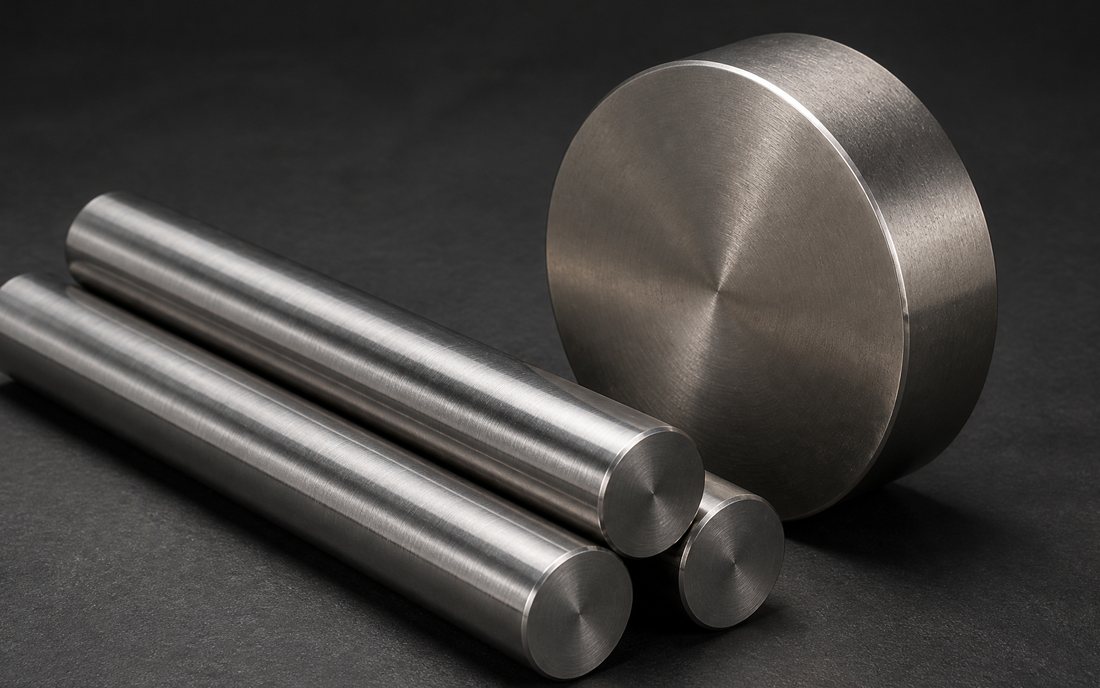
Precipitation-hardened nickel-cobalt alloy supplied as bar, forging and plate.
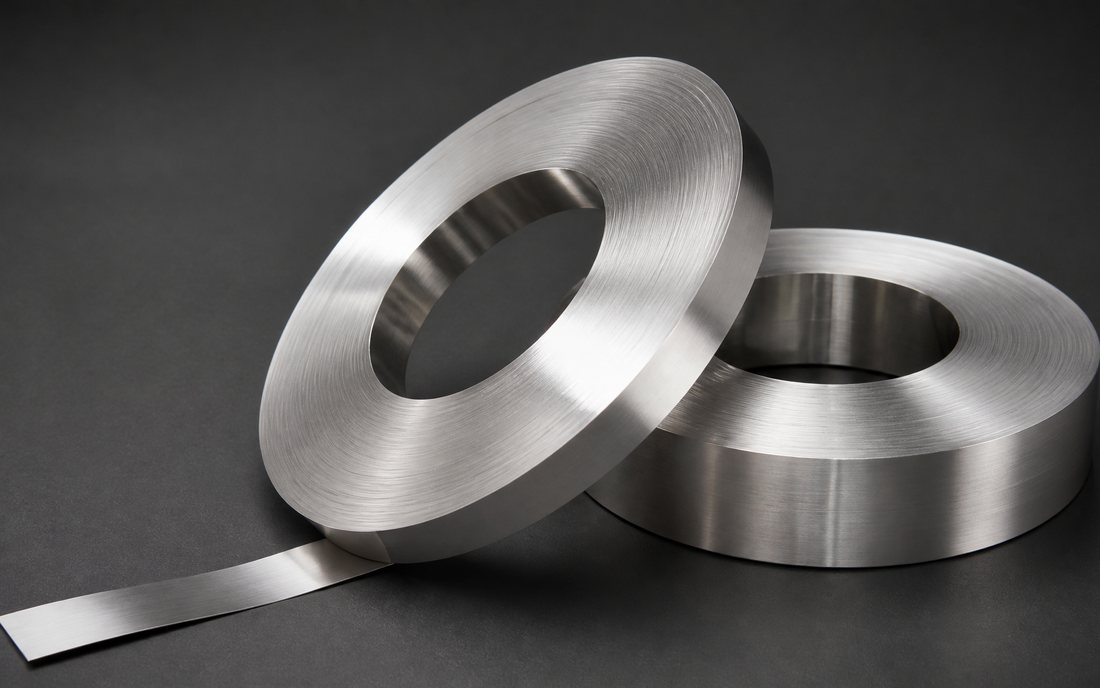
Controlled-expansion and soft-magnetic alloys for instruments, electronics and cryogenics.
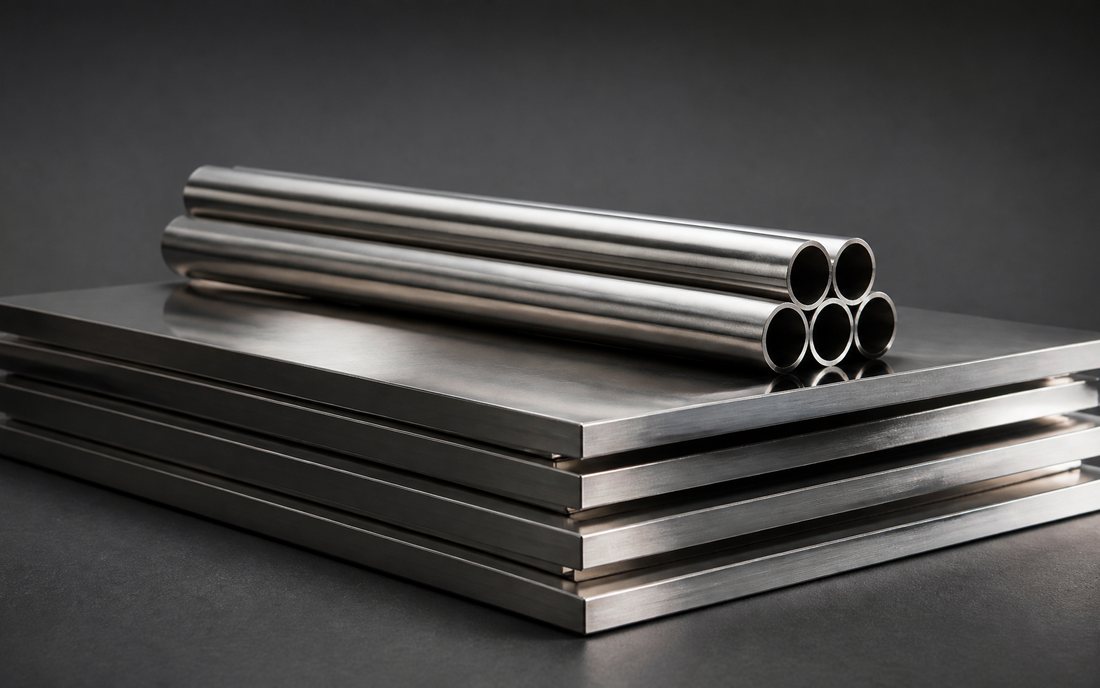
Austenitic, super-austenitic, duplex and precipitation-hardening grades for process equipment.
One heat can become bar, tube, plate, strip or a finished forging. Sizes are quoted against your drawing, specification and inspection level.
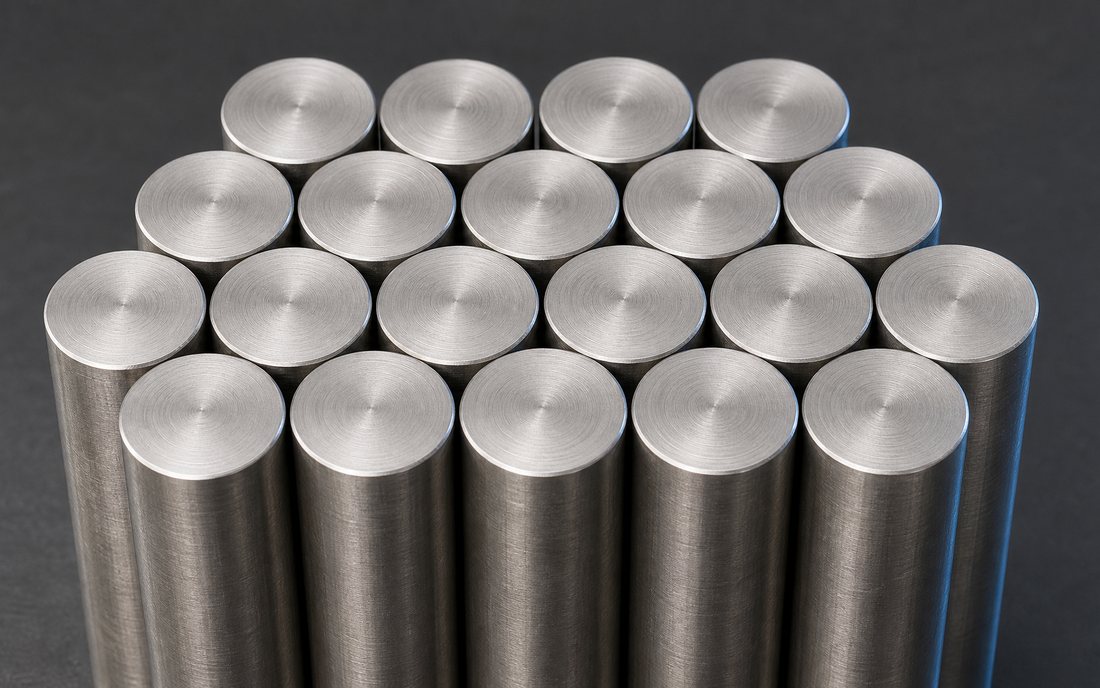
Peeled, ground or black, from 6 mm to 350 mm, cut to length.
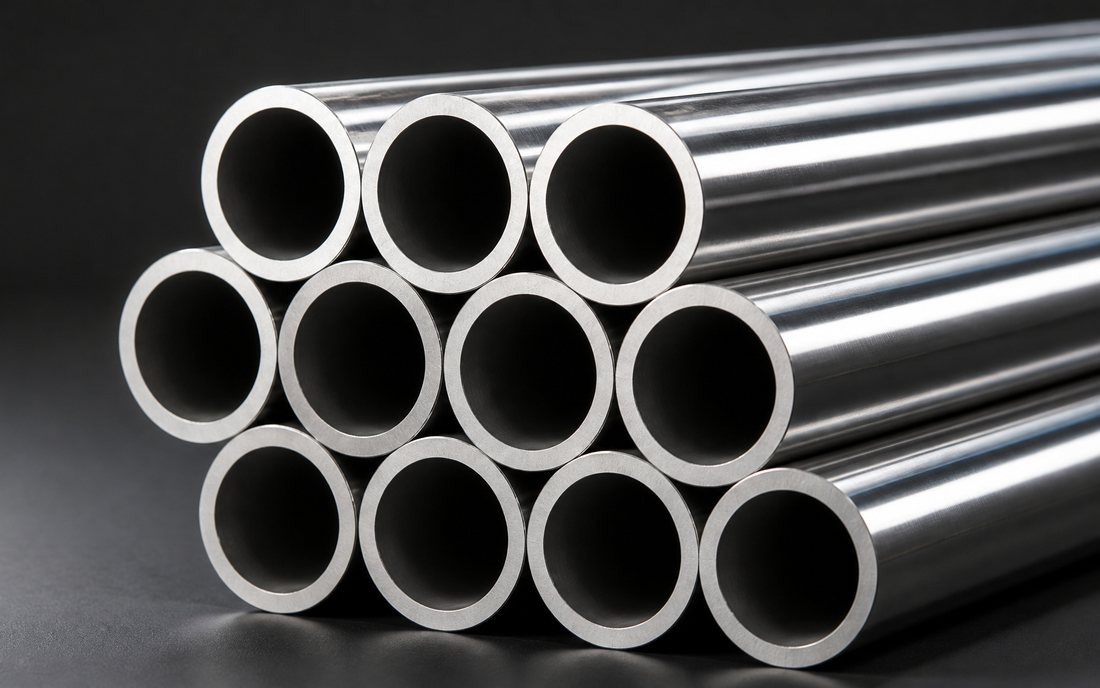
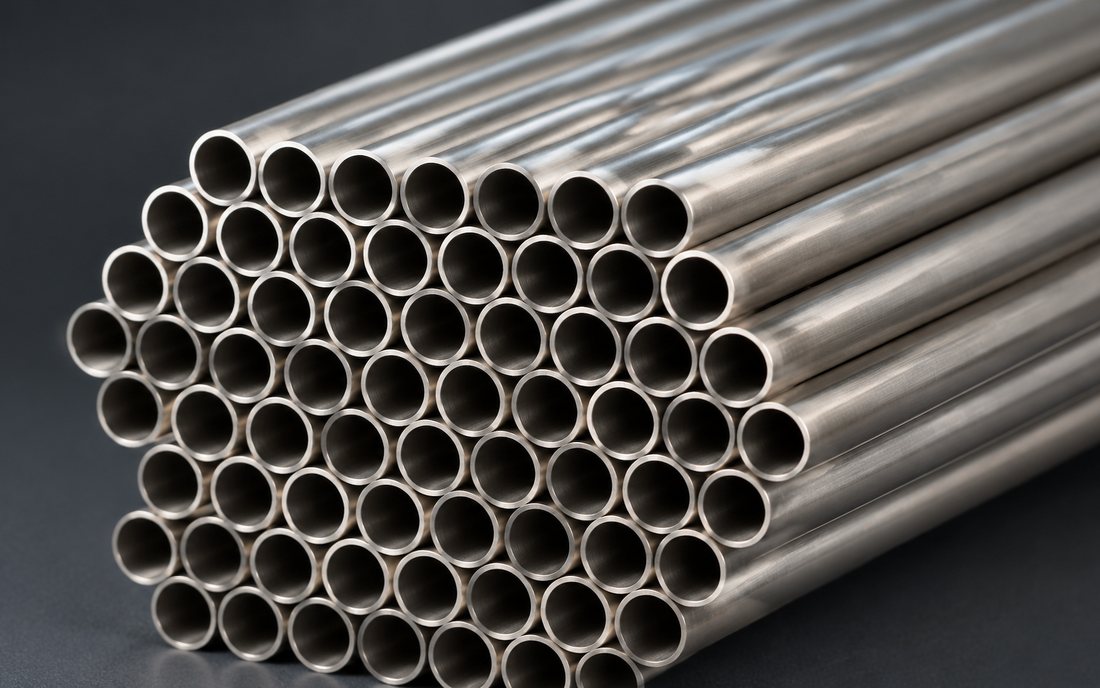
Cold-drawn and hot-extruded tube, bright annealed or pickled.
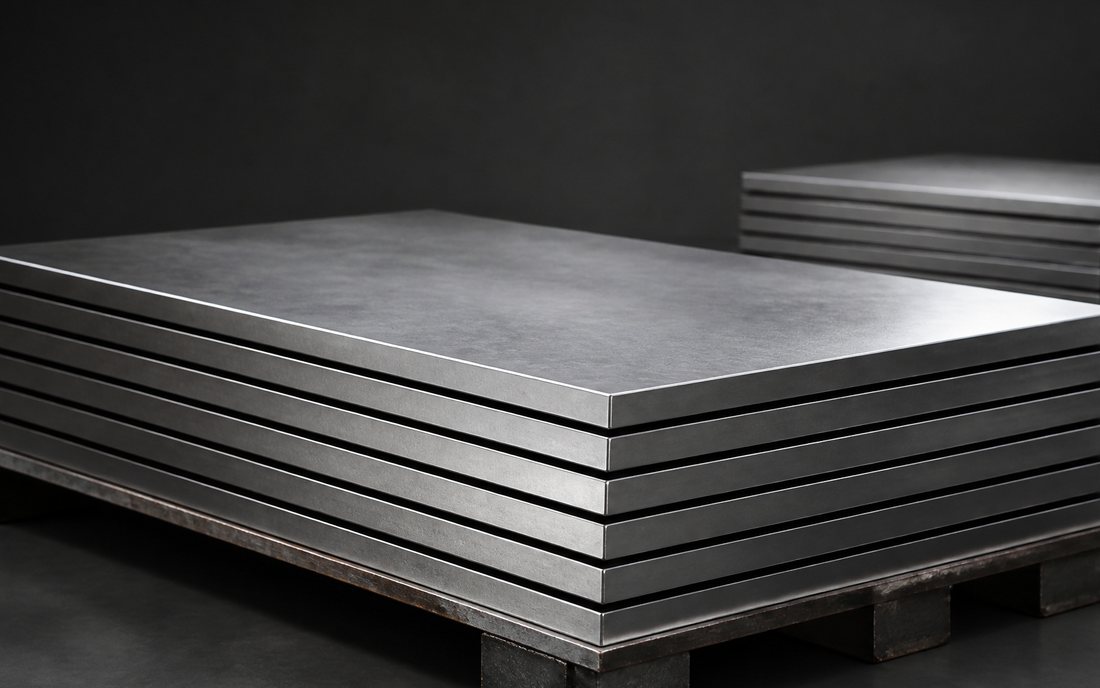
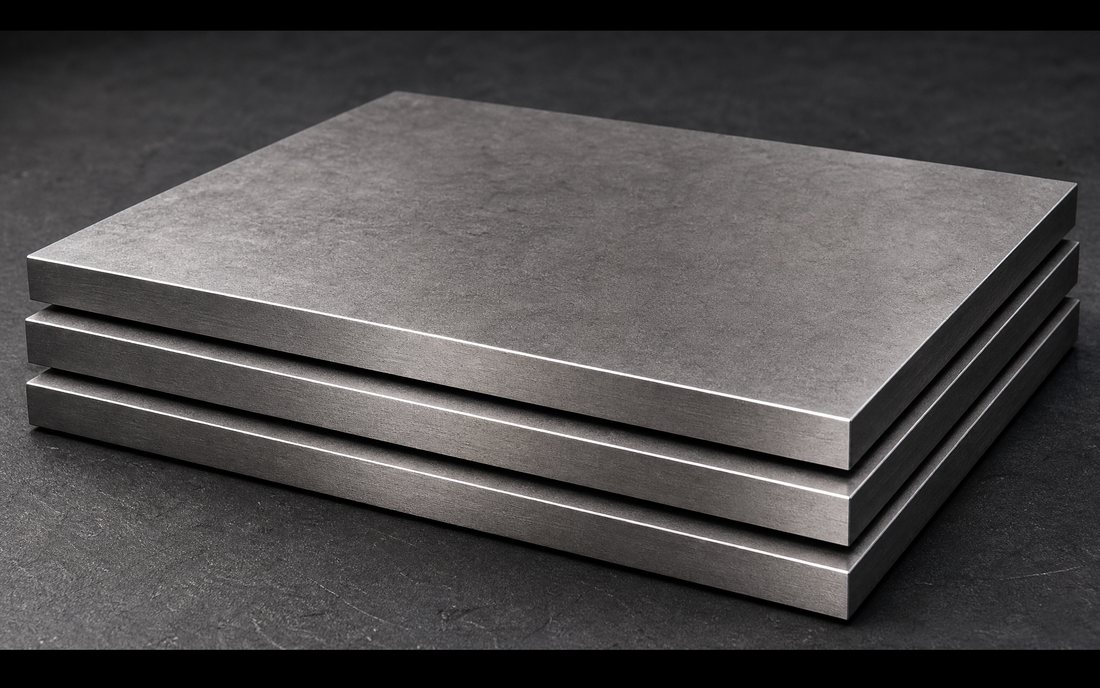
Hot-rolled plate and cold-rolled sheet, sheared or water-jet cut.
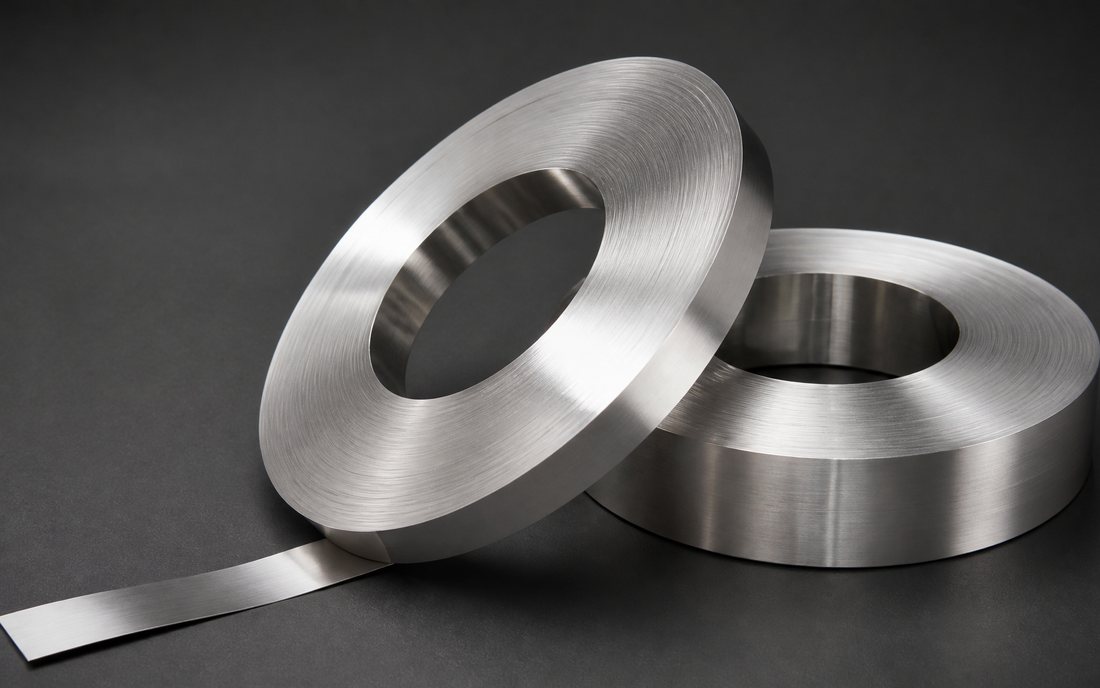
Cold-rolled strip in coil or cut lengths for stamping and forming.
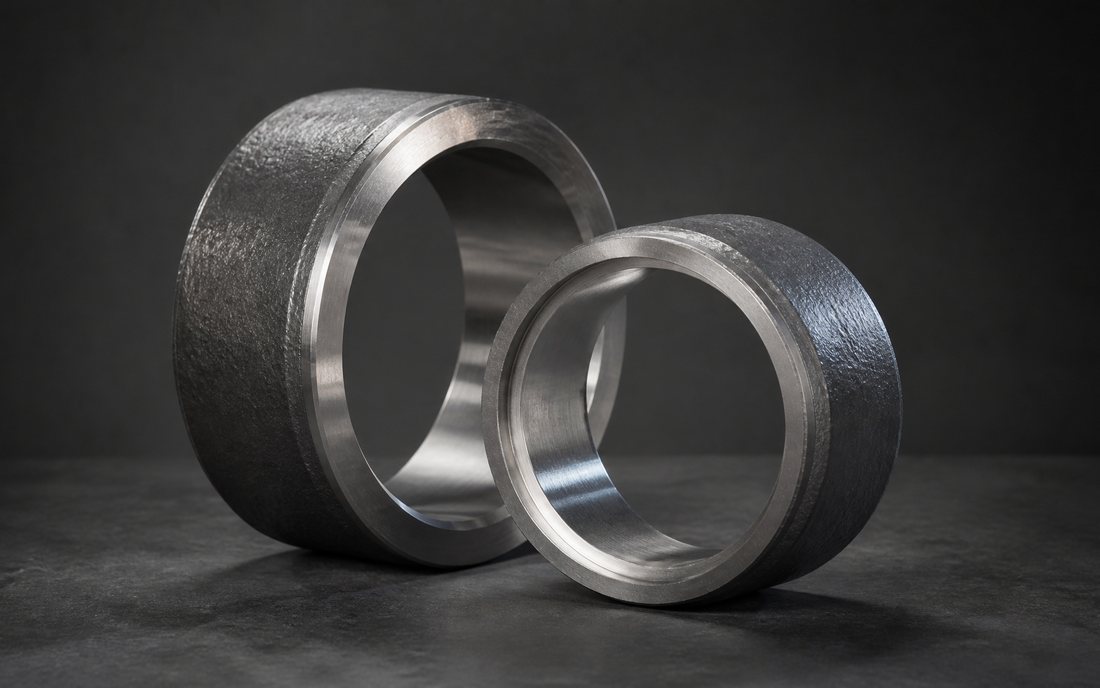
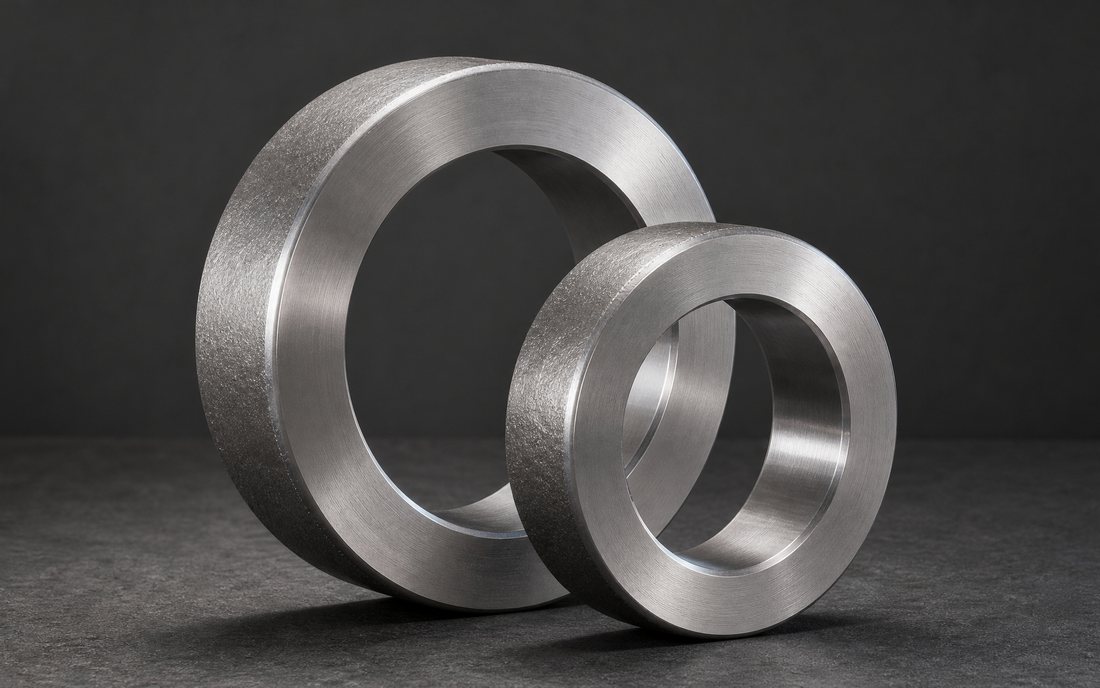
Open-die forgings, rolled rings, discs and blocks with test coupons.
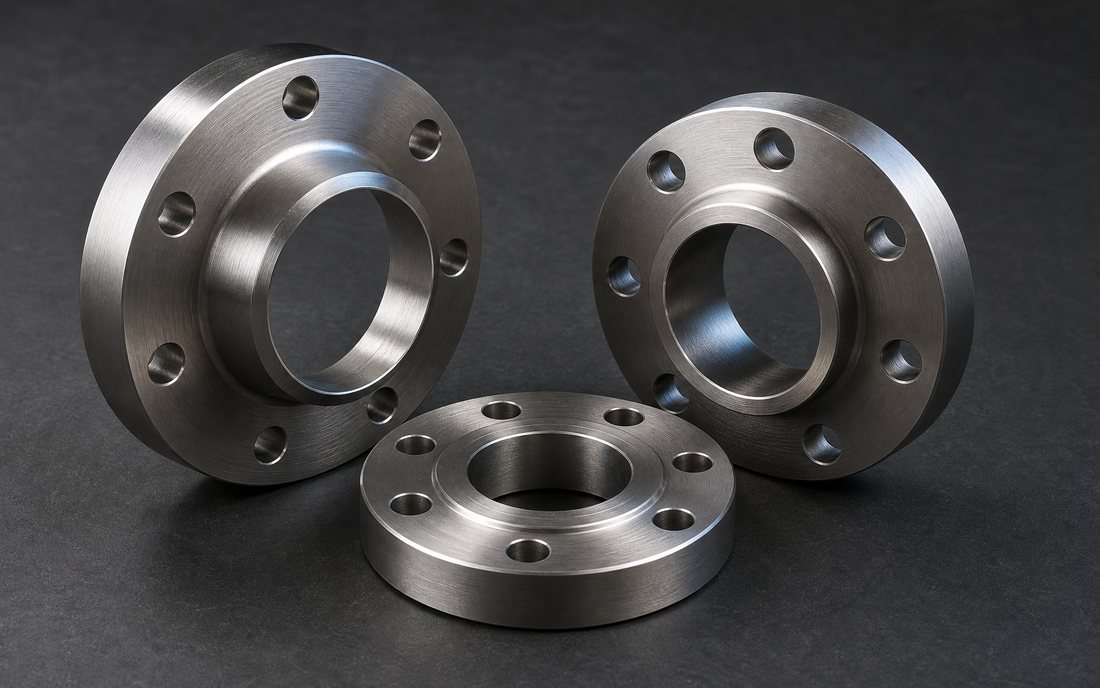
Forged flanges, elbows, tees and custom fittings to ASME dimensions.
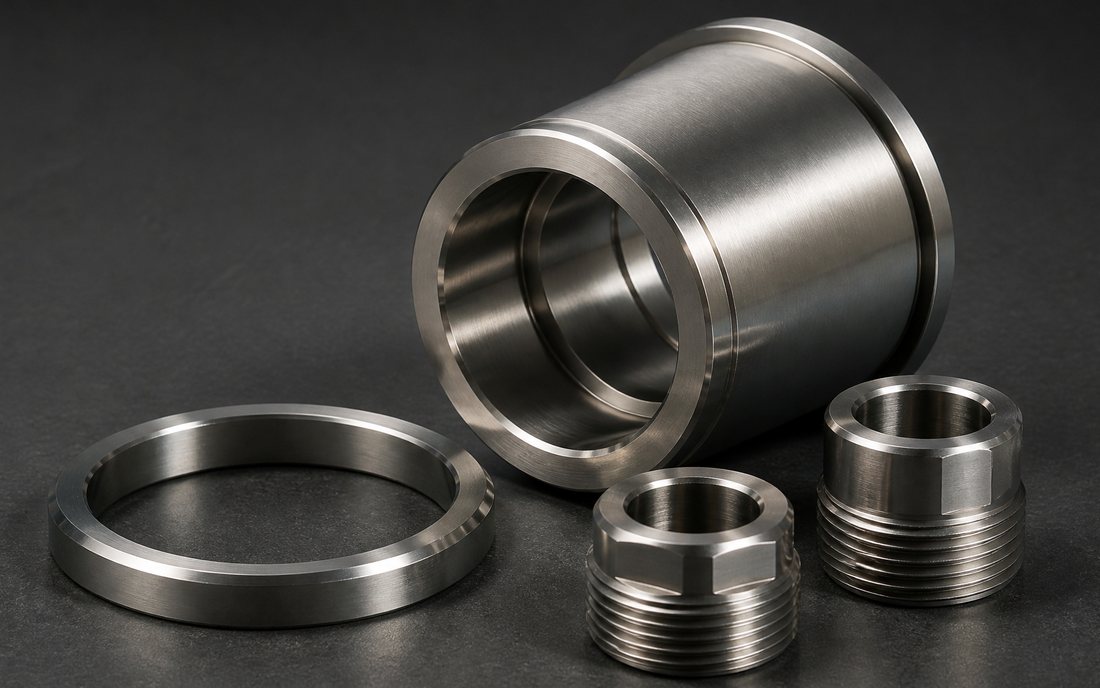
Turned, milled and finished components from bar and forging.
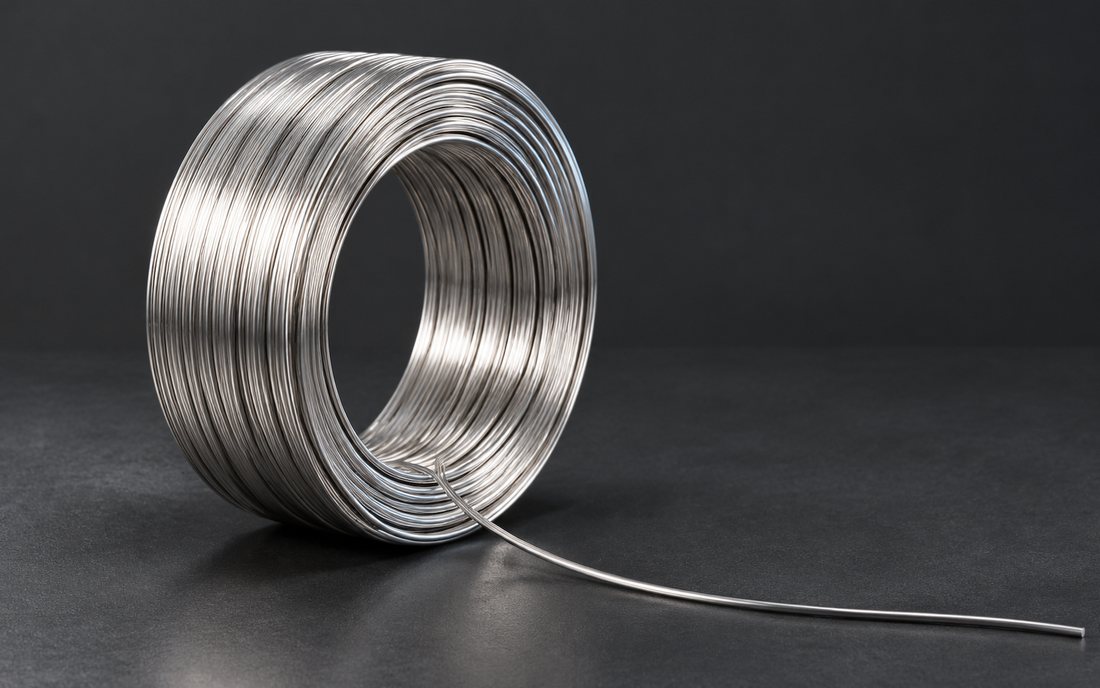
Drawn wire in coils for welding consumables, springs and fasteners.
Ring, block, strip slit to width or a finished part from your drawing — send the specification and we will quote the route.
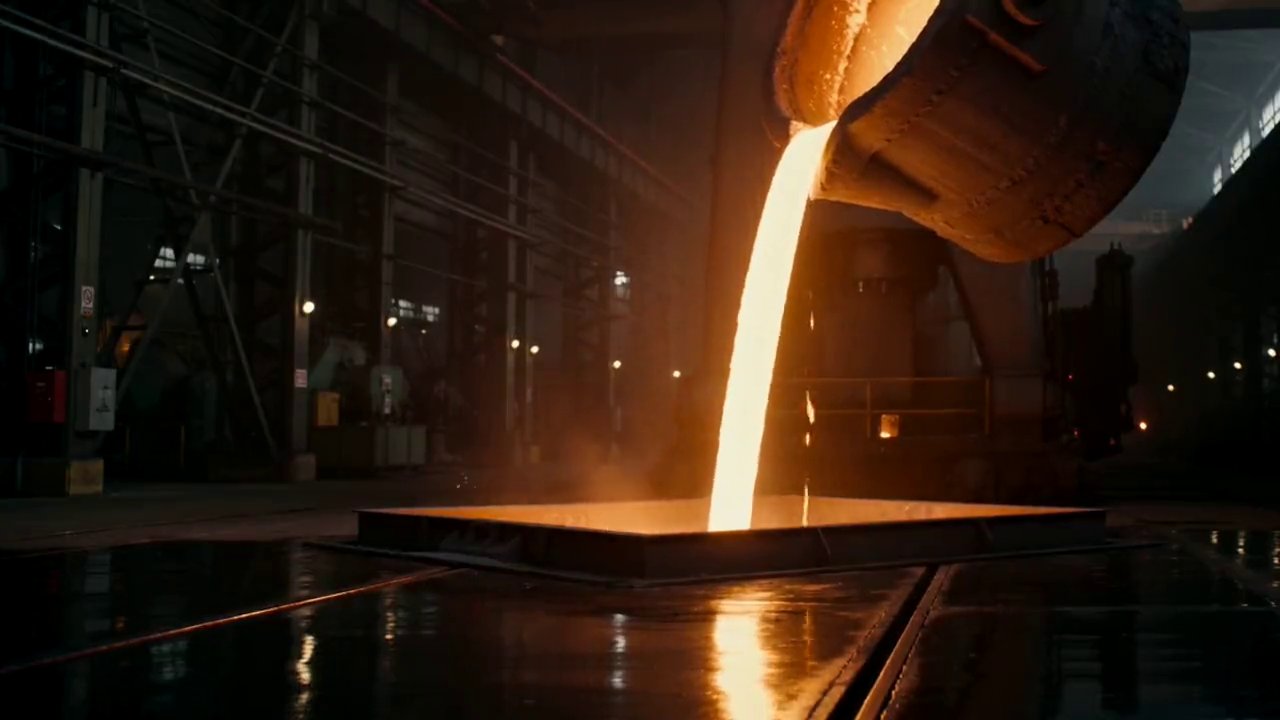
Melting, forging, heat treatment and testing sit under one roof, so the heat number on your certificate is the heat number that was melted here.
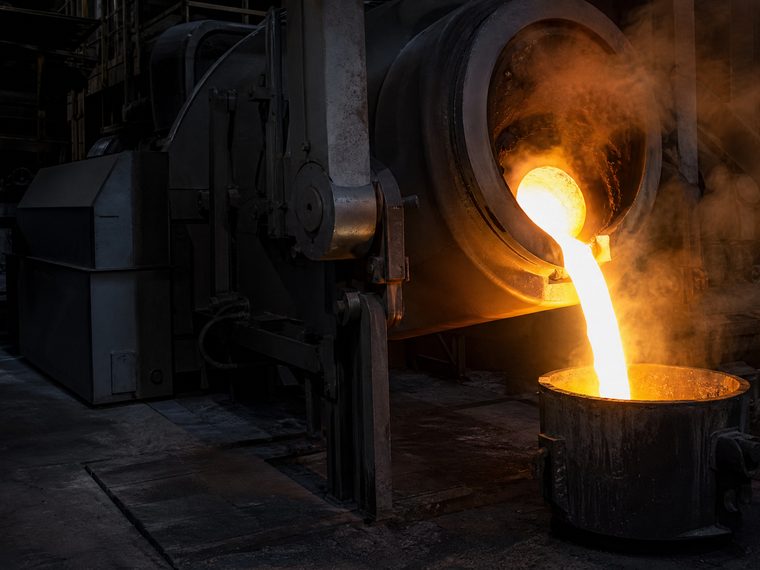
Two 500 kg vacuum induction furnaces, medium-frequency induction melting and two 500 kg ESR units for clean, low-inclusion heats.
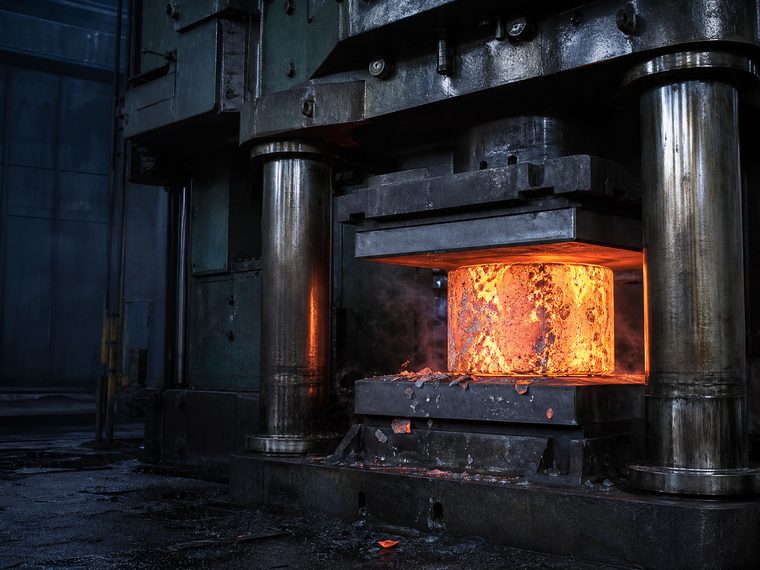
A 20 t hydraulic forging press, four 1 t air hammers and rolling lines for bar, ring and tube reduction.
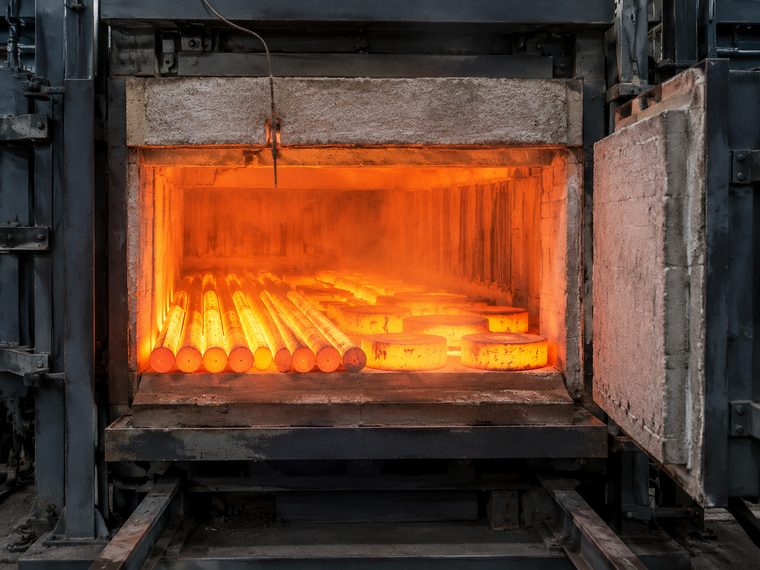
Annealing, solution treatment and ageing in forging and heat-treatment furnaces, verified by hardness and microstructure.
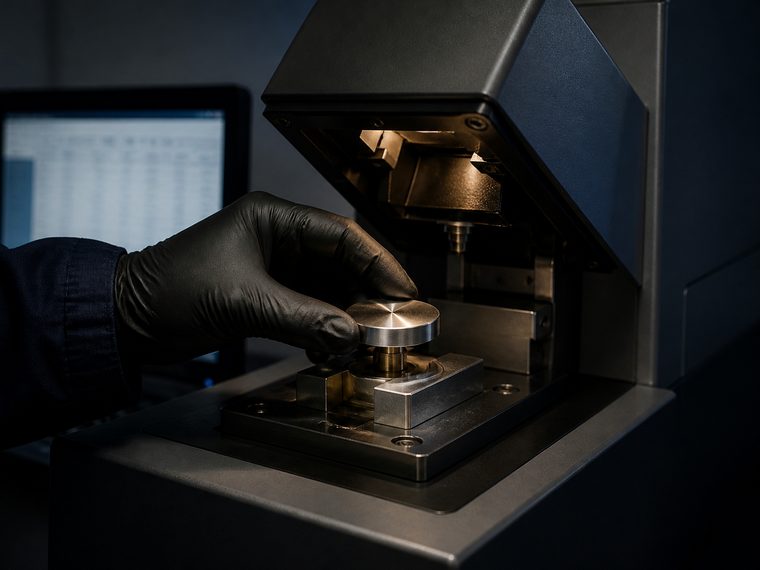
Spectral, metallographic, ultrasonic, hardness, impact, bend and tensile testing, issued as EN 10204 3.1 or 3.2.
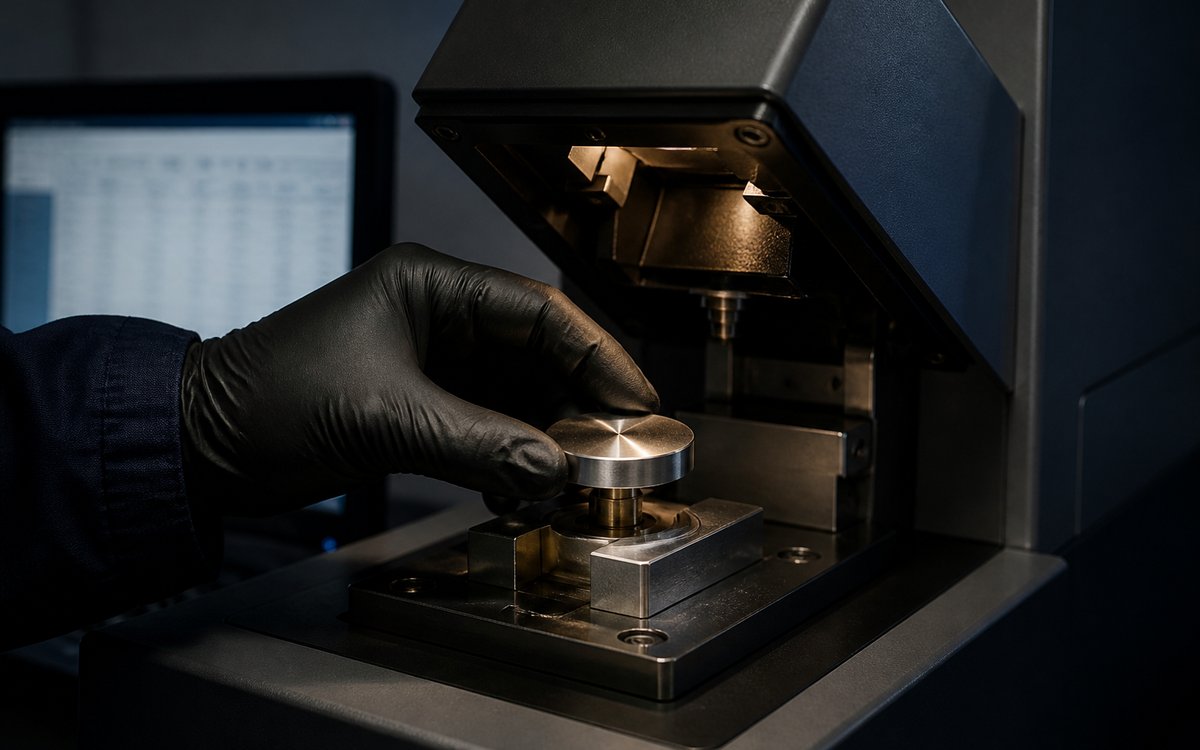
Test pieces are taken at the melt and again after heat treatment. Results are recorded against the heat number and released with the material.
The certificates we actually hold — quality management, business licence and an aerospace supplier listing. Numbers and validity dates are printed on each document, and originals are available for your compliance file on request.
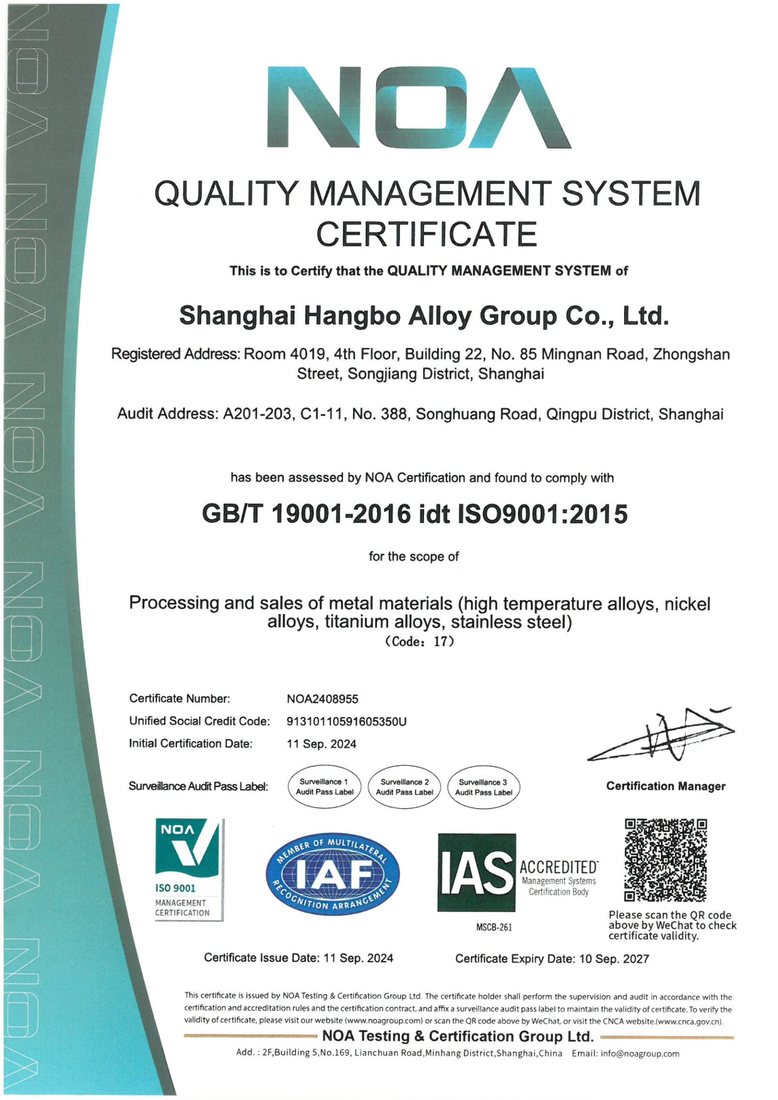
NOA 2408955 · issued 11 Sep 2024 · valid to 10 Sep 2027
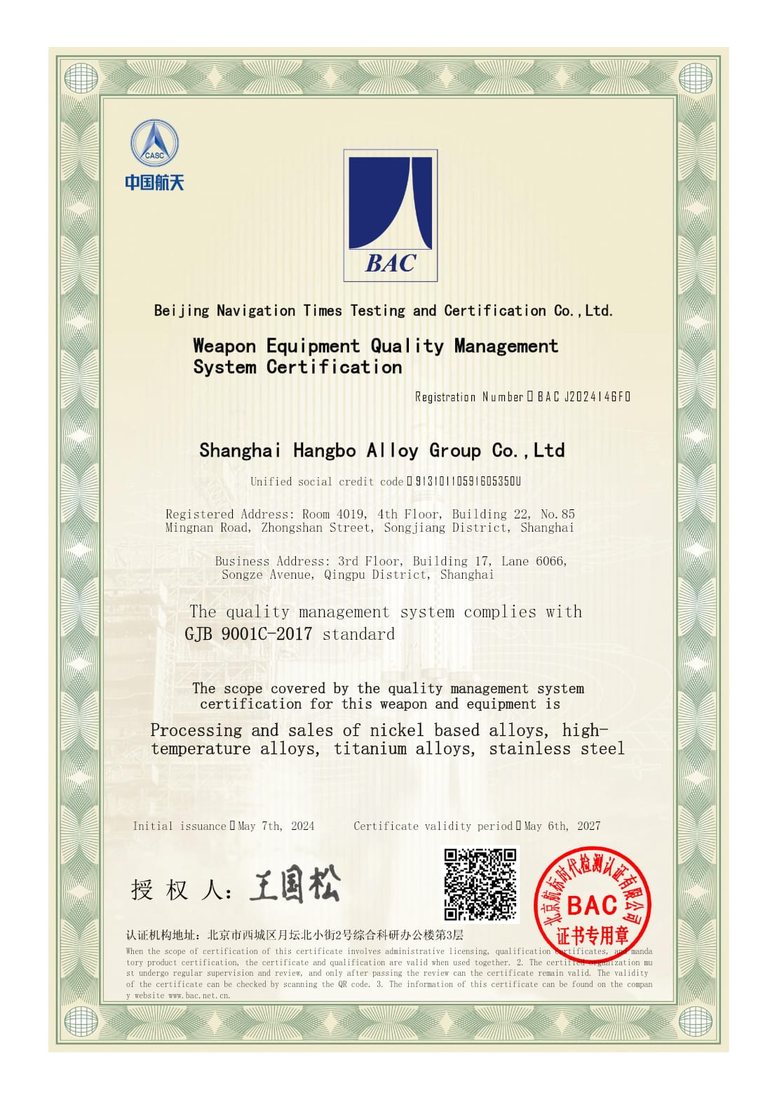
BAC J2024146F0 · issued 7 May 2024 · valid to 6 May 2027
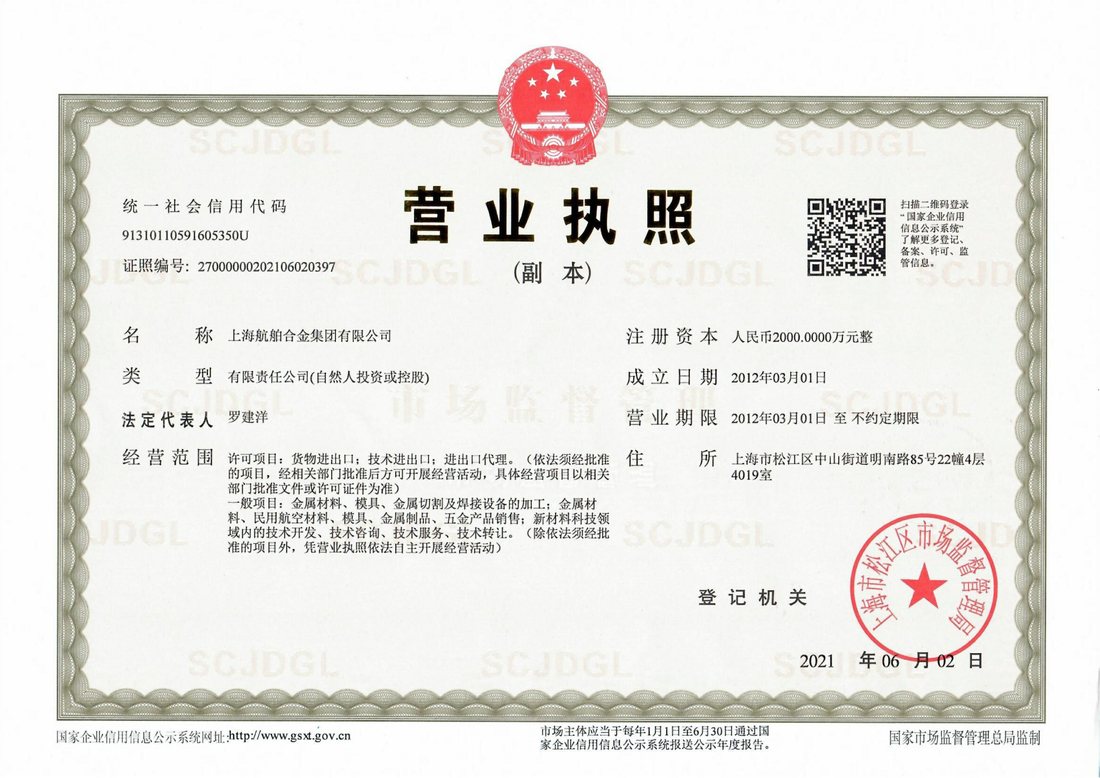
Code 91310110591605350U · founded 1 Mar 2012 · registered capital ¥20 million
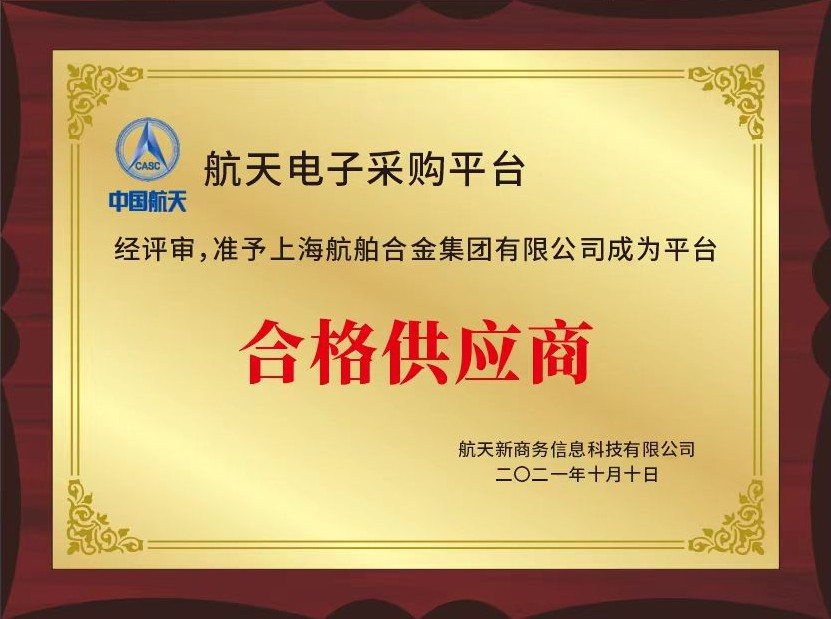
China Aerospace (CASC) e-procurement platform · listed Oct 2021
Also held: Chinese trademark registration (class 6 — alloys, bar, forgings, tube, strip, wire and flanges; valid to 2032).
Aerospace, shipbuilding, nuclear power, petroleum, chemical and machinery manufacturing — the six industries named in our company profile, and the ones that keep coming back for repeat heats.
718 and X-750 forgings, 625 sheet, Nimonic 95 turbine hardware.
Wellhead and downhole bar, valve trim, sour-service grades to NACE MR0175.
C276 and G3 plate, tube and fittings for reactors and heat exchangers.
Monel 400 and K-500 for seawater piping, pump shafts and fasteners.
690 and 600 tube, 617 and 602CA plate for high-temperature sections.
1J50, 1J79, 1J85 and 4J36 strip and bar for magnetic and thermal stability.
Grade comparisons, certificate reading and sourcing checks — written by the people who melt and test the material. New notes are added every day.
Both are nickel-chromium alloys with 8–10% molybdenum, so room-temperature datasheets look alike. Above 800 °C they are limited by different mechanisms: 617 by creep and scale adhesion, 625 by a precipitate that does not survive.
Read the note →Both alloys survive furnace atmospheres, but they protect themselves differently: 600 relies on chromia, 601 on alumina. The choice usually turns on how often the furnace cycles, what sulfur is present, and whether the part ever sees aqueous corrosion.
Read the note →Both are nickel-chromium alloys hardened by titanium, aluminium and niobium. They are rarely interchangeable — the decision usually comes down to section size, welding and how hot the part really runs.
Read the note →Both handle aggressive chemistry, but they fail in different places. C276 is the chlorine and hypochlorite alloy; G3 is the sulphuric-phosphoric workhorse with better thermal stability and a lower alloy cost.
Read the note →We will quote the rest — including lead time, inspection level and the documents you need.